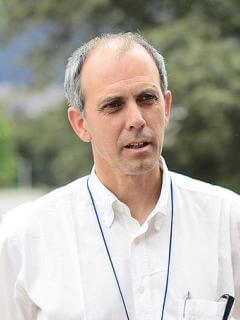
Prof. Ricardo Pertuzé Concha
rpertuze@uchile.cl
At Verkade Climate, you can be! And we are going to tell you just how.
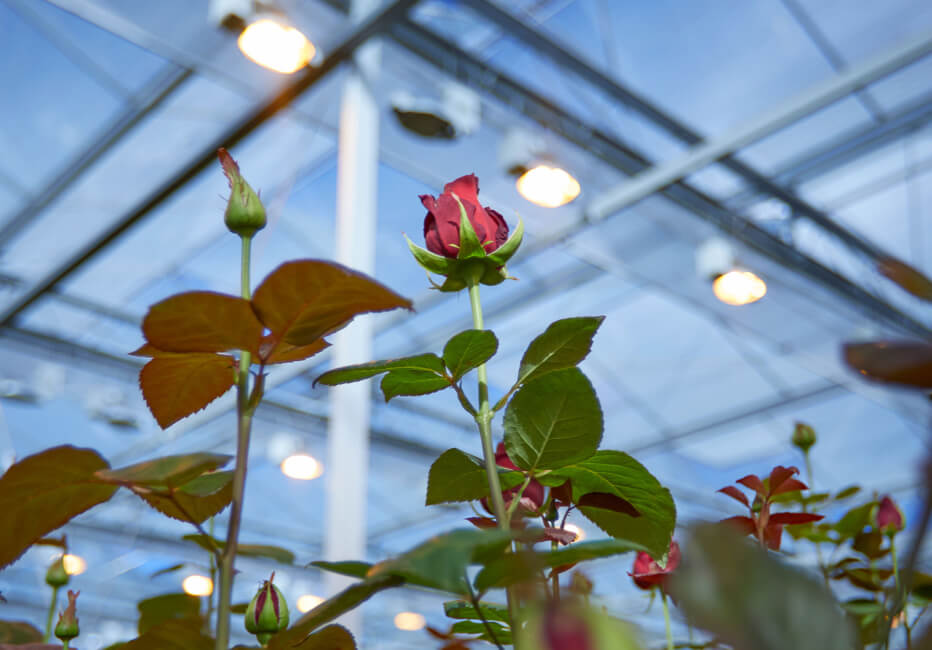
‘If you always do what you have always done, you will always get what you have always got.’ (Henry Ford) In other words, if you do not change your course of action, you will keep coming up with the same results. That might not sound like a problem per se, if it were not for the fact the world itself is constantly changing. At this moment, we are staring directly into the face of global warming, along with an ever-growing world population and increasingly scarce natural resources. Should we continue doing exactly what we have always done, we will be running the planet to the ground long before the turn of the century.
Meaning, it is high time for a change. At Verkade Climate, we believe part of the key to this change lies in horticulture. Through creating an ideal climate for growing crops – in greenhouses or outdoor – we will both be able to provide sufficient food supply for the entire population as well as preserve the world’s flora. To achieve this ideal climate, we need to integrate smart technology that focuses on sustainability and efficiency. Smart tech is exactly our forte. With every project, we take a step further towards creating more sustainable growing climates by offering real solutions, on a global scale.
We are not alone in this. Westland, where Verkade Climate is located, is famous for its greenhouses. In Westland, we produce fruits, vegetables, and flowers of the highest quality and ship them all over the world. However, it is not just our crop we are known for, it is also our knowledge of advanced agricultural technology that makes us a global player. We may be just a speck on any map, but we are definitely not to be overlooked!
Because we are right at the center of such knowledge, we are able to provide you with the opportunity of conducting an extensive field study. If you are interested in experiencing firsthand the smart technology used in agriculture here in Westland, we would like to invite you to participate in our brand-new exchange program.

As of right now, the climate and horticulture of Chile is fairly unknown to us - we have only just started our first project in Chile. What we do know is Chile offers a lot of potential to play an important part in countering the effects of climate change.
As Chile has multiple subclimates, its climate is definitely rich in diversity. Therefore, the more we know about horticulture in these types of climates, the better we will be able to develop smart tech that allows crops to grow under ideal circumstances. And of course, as sustainable as possible.
But we are going to need your help to gather information on the different climates and horticulture in Chile. This is why we will be asking you the following, as part of your thesis.
Aside from your main thesis topic, we are asking you to choose a second thesis topic from the list of topics as can be found below. You are also free to suggest your own second topic.
To finalize the project, we would like you to present and report your findings (in English), concluding with an advice on how we can enter the Chilean greenhouse market.
If you would like to participate in our exchange program, please send your resume, along with a letter of motivation, to either prof. Ricardo Pertuzé Concha. or assoc. prof. Danilo Aros. They will be reviewing every application, after which we will invite four applicants to come visit us in The Netherlands.
Prof. Ricardo Pertuzé Concha
rpertuze@uchile.cl
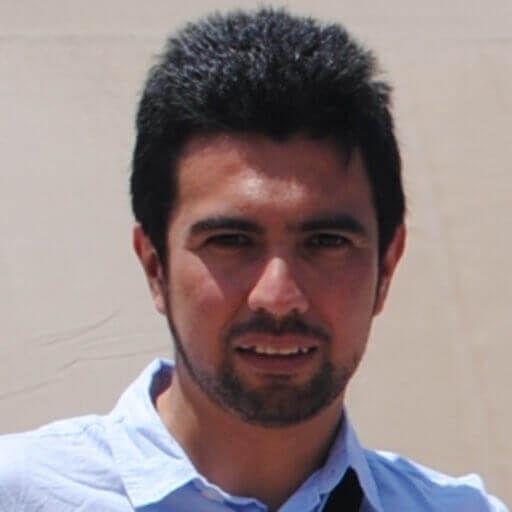
Assoc. prof. Danilo Aros
daros@uchile.cl


Contact
Turfschipper 2
2292 JA Wateringen
Postbus 233
2290 AE Wateringen